Imagine a vast national experiment to encourage weight gain. We put fast food on every corner, we put junk food in schools, we got rid of P.E., we put candy and soda at the checkout stand of every retail outlet you can think of.The results are in. It worked. - Dr. Harold Goldstein
|
No doubt, obesity can be turned into a complex subject. Just look at the diagram below. However, this explanation by Dr. Yoni Freedhoff' sums it up beautifully: I'd describe obesity as the natural consequence of placing a collection of truly ancient genes, genes forged over millions of years of incredible and constant dietary insecurity and upheaval, into an insane, calorific, modern day, dietary utopia. In other words: Obesity and overweight are our bodies' normal, natural, responses to the world they find themselves living in. The fact is that right now the accepted global viewpoint is that if obesity is a disease it's a disease of willpower, of gluttony, of sloth. My hope is that one day obesity will be seen as a modern day scourge, a day when the trite advice "all you need to do is eat less and exercise more" is seen by the general public as over-simplified nonsense.  He comes with a lot of credentials. He's the Director of the Yale Rudd Center for Food Policy & Obesity. By the way, I do not want any tax on soda. My message: Drink water.  A two-hour presentation about obesity and our national security. Amazing statistic: Seventy-five percent of young adults ages 17 to 24 are not able to join the military. This is a 7-part documentary on the subject. You may be familiar with Dr. Robert Lustig. He's a YouTube "star". This video, Sugar: The Bitter Truth has been viewed over 2-million times. He has also been seen on a recent 60 Minutes segment: Is Sugar Toxic? An Epidemic for Every Body - How did we get so fat, so fast? The debut episode debunks the theory that obesity only affects the “gluttons and sloths” among us and is, in fact, a public health problem that impacts everyone. Sickeningly Sweet - Dr. Lustig illustrates the overabundance of sugar in today’s processed convenience foods and explains how our bodies metabolize these sugars in the same way as alcohol or other toxins, causing damage to the liver and other organs. Hunger and Hormones: A Vicious Cycle - Sugar impacts the brain just as much as the waistline. In this episode, Dr. Lustig explains the biochemical shifts that sugar causes, making us store fat and feel hungry at the same time. Sugar: A Sweet Addiction - Sugar isn’t just sweet, it’s addictive. This episode explores the cycle of addiction that sugar causes in the brain, much in the same way as drugs and alcohol. Generation XL - An unnerving trend of obese infants is just one indication that obesity can be passed on from mother to fetus. This installment looks towards the next generation, with an emphasis on preventive care and pre-natal health. A Fast-Paced, Fast Food Life - The pace of modern life is a key contributor to today’s obesity epidemic. Elissa Epel and Barbara Laraia explain the connection and offer practical and effective solutions that don’t involve dieting and exercise. Drugs, Cigarettes, Alcohol…and Sugar? - Our experts offer a frank indictment of the country’s agricultural policy and food industry, which have made it nearly impossible to avoid sugar in our daily diet, and suggestions for possible remedies. In this illuminating article (A Mathematical Challenge to Obesity), Dr. Carson Chow explains how we got to be an obese nation. The one answer he provides below pretty much explains it.
Q. Did you ever solve the question posed to you when you were first hired — what caused the obesity epidemic? A. We think so. And it’s something very simple, very obvious, something that few want to hear: The epidemic was caused by the overproduction of food in the United States. Beginning in the 1970s, there was a change in national agricultural policy. Instead of the government paying farmers not to engage in full production, as was the practice, they were encouraged to grow as much food as they could. At the same time, technological changes and the “green revolution” made our farms much more productive. The price of food plummeted, while the number of calories available to the average American grew by about 1,000 a day. Well, what do people do when there is extra food around? They eat it! This, of course, is a tremendously controversial idea. However, the model shows that increase in food more than explains the increase in weight.  I snapped this picture at the Iowa State Fair. Standard fare across the country.  My observation in regard to this article - Obesity could affect 42% of Americans by 2030. In this country we are obsessed with obesity. As the article states: we have an obesity epidemic. HBO (Weight of the Nation) states: Obesity in America has reached a catastrophic level. In reality, we do not have an obesity epidemic. Actually, the catastrophe and epidemic is the food. By focusing on obesity and not the food, we have taken the wrong fork in the road. The question we must ask is: "What is the cause and effect?" From my perspective, we can draw a direct line from our horrific food environment to disease. Unfortunately, because it takes many years to experience the negative effects of eating the Standard American Diet (SAD), we concentrate on obesity. Obesity is very visual, interesting, and fascinating - think Biggest Loser. Addressing food is boring and controversial. When well-intentioned people make recommendations to reduce the consumption of soda, sugar, fast-food, junk food, processed food, packaged food and more, the name-calling begins. They are labeled the food police And, we are reminded that it's all about personal responsibility. After all, personal responsibility is the American way. 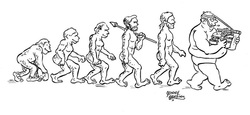 However, when it comes to food, it's a little more complex. We crave salt, sugar, and fat. Over the past fifty years, our Main Street has been littered with those ingredients. To compound the problem, food manufacturers have fed the monster by adding a tremendous amount of salt, sugar, fat, and poison to our foods. To demonstrate, a recent M&M's commercial stated: "Salty. Sweet. Impossible to resist." Yes, in fact, these foods are impossible to resist. And, many of us are addicted to these over-the-top foods. One important thing to note: If we changed our lifestyle - stop smoking, eat better, and exercise - upwards of 90% of type 2 diabetes, 80% of heart disease, and 60% of the cancers would disappear. One other thing would go away too: our health care dilemma. The heavy concentration on the obesity epidemic reminds me of the Street Light parable. So, next time the obesity issue raises its ugly head, let's think in terms of the food. I recommend reading this observation from a doctor who works with obese patients. He hits the nail on the head.
This observation (episode four) was made in regard to all the over-the-top foods that are part of our daily diet.
However, by practicing my two word concept, it becomes much easier to leave the Western diet. The incredible news: No willpower required. Advertising Age asked that question. Interesting. That's the first time I have heard that comparison. It's a powerful visual. Let the war on junk food begin!  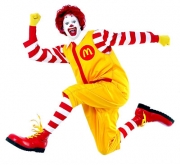 I'd describe obesity as the natural consequence of placing a collection of truly ancient genes, genes forged over millions of years of incredible and constant dietary insecurity and upheaval, into an insane, calorific, modern day, dietary utopia. In other words? Obesity and overweight are our bodies' normal, natural, responses to the world they find themselves living in.
The fact is that right now the accepted global viewpoint is that if obesity is a disease it's a disease of willpower, of gluttony, of sloth. My hope is that one day obesity will be seen as a modern day scourge, a day when the trite advice "all you need to do is eat less and exercise more" is seen by the general public as over-simplified nonsense. - Dr. Yoni Freedhoff It's not a pitch for WW. It's a good presentation by the CEO. This should be a wake-up call.
From the article: The country's growing obesity epidemic is taking a toll on state ferries, and the Coast Guard is now forcing some of the boats to 'lighten up." The Coast Guard recently announced it had changed the capacity on several vessels because passengers now weigh more. Coast Guard Lt. Kirk Beckman said the old test weights assumed an average rider weighed 140-160 pounds, but now that the average American weighs 185 pounds, those figures had to be recalculated. For example, the Yakima used to be allowed 2,000 passengers, but will now only be able to carry 1,783 passengers. Interesting video ... We both have similar health goals ... No meds! I'm 56 and he's 58. A recent New York Times article stated: The average adult over age 55 juggles six to eight medications daily. The good news: It's not that difficult to regain good health. This special report by Peter Jennings (died in 2005) is still accurate and relevant. Not if this Representative from Mississippi has anything to do with it. During Congressional hearings about changes to food marketing toward kids, he stated: "We all want to see an end to childhood obesity, but this seems to be a far-fetched approach." Some things to note about Mississippi. It ranks: #1 Children who are obese #1 Rates of heart disease #2 Number of adults with diabetes #50 Life Expectancy Source: Kaiser Yo, Ole Miss: It looks like your Congressman is not very interested in your health or life. 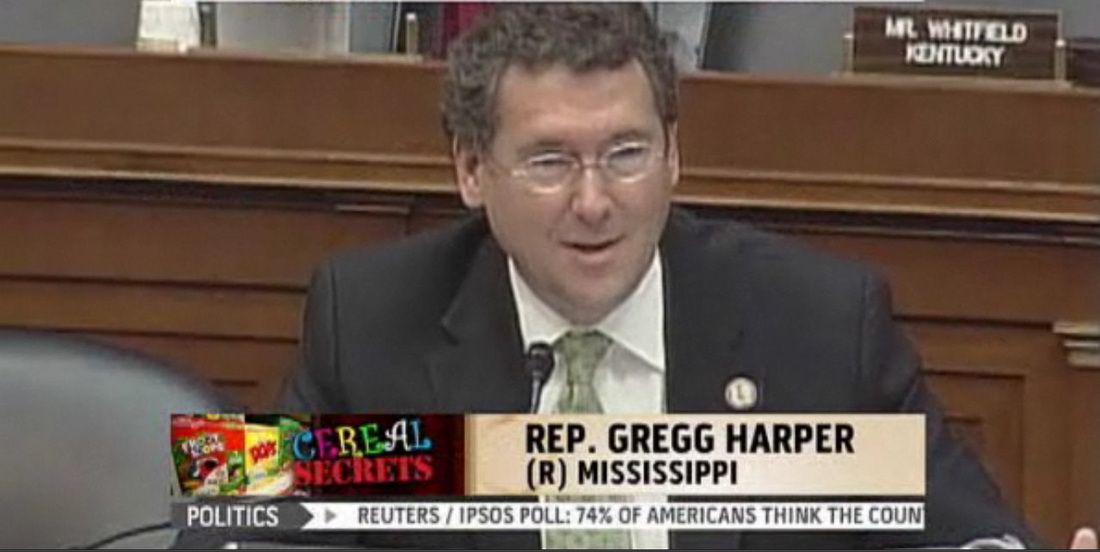 You can watch the entire news-clip here: Visit msnbc.com for breaking news, world news, and news about the economy For an employer, costs can be as much as 40% higher in one year for someone who is overweight because of all the issues associated with obesity, including diabetes, back problems, asthma, depression and heart disease.
Read the entire article. The title of this NPR report is: What works for overweight and obese children, however, there's a tremendous amount of insightful information presented during this report. And, some of the people who call in provide excellent information.
Finally: A study that says: "Eat More". That's my mantra!
To me, it's not about weight. It's about health.
This recent study mentions this sad fact: Diabetes is the most worrisome, and rates of the illness climbed in a dozen states over the past year. Now, 32 states have diabetes rates greater than 8 percent. Obesity not only impacts our personal quality of life, but also our well-being as a state. Colorado spends more than $800 million annually on obesity-related medical costs and that number is sure to rise at the same pace as the numbers on our scales.
Here's the scoop: About 1 in 5 Coloradans are obese. In Mississippi its 1 in 3. Now think how much we are spending on medical care. As Michael Pollan stated: The American diet is a catastrophe. We don’t have a health care crisis. We have a food crisis. 75% of our health care costs are spent on chronic disease linked to the diet…and that is bankrupting us. Read More Roughly 1 in 3 adult Americans is now obese. And ground zero for the nation's obesity battle is Mississippi — where 44 percent of kids are either overweight or obese. And 7 of 10 adults in the state are either overweight or obese. Read more The American diet is a catastrophe. We don’t have a health care crisis. We have a food crisis. 75% of our health care costs are spent on chronic disease linked to the diet…and that is bankrupting us. - Michael Pollan What is the Main Street Diet? Let me briefly explain. Here's a tour of "my" Main Street.
Dr. William Castelli (former director of the Framingham Heart Study) states: "The American diet is the worst diet you could possibly eat anywhere in the world." Of course, many people will state: "You don't have to eat the food that is available on Main Street." Yes, this is true. However, we consider Main Street America to be normal. It is not. It has led to a toxic food environment. The choice is yours: Continue consuming these foods or make a change. You can learn how to make simple changes by purchasing Feed Your Head or attending one of my presentations. Dr. David Kessler, former chairman of the FDA and author of The End of Overeating, provides a great explanation. 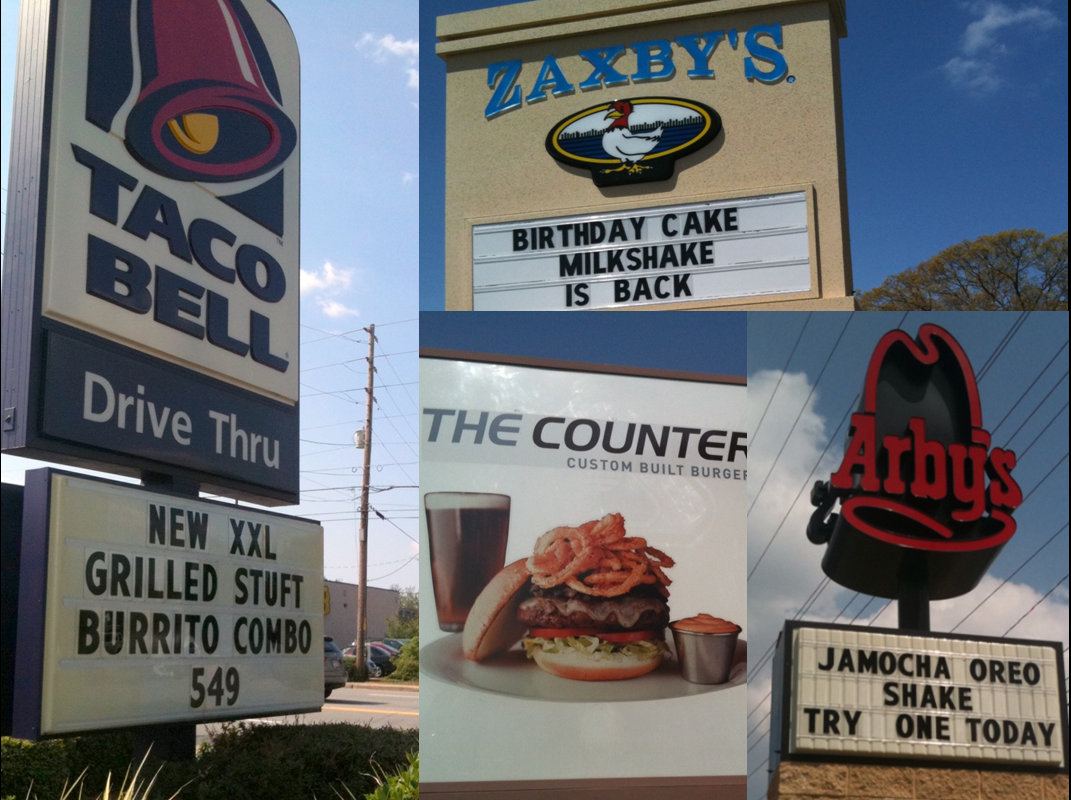 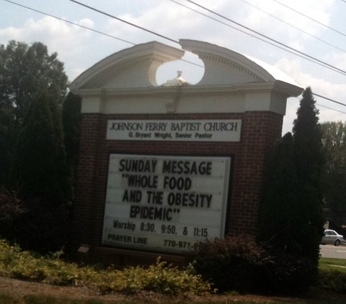 The church on my Main Street realizes there's a problem. Sunday's sermon is about the obesity epidemic. Or, maybe they're promoting the new Whole Foods on my Main Street. . . . an entertaining video about ending childhood obesity. Enjoy! Here's a report on this study. It states:
These so-called "empty calories," mainly in soda, pizza and desserts, are fueling the obesity epidemic among young people and putting them at risk for developing weight-related illnesses, such as diabetes and heart disease, the U.S. government researchers said. I've got news for you: I didn't need a study to tell me the obvious and the same problem exists for adults. |
Welcome to my blog about diet, health, and lifestyle issues. You'll find snippets and tidbits to assist with living a healthier lifestyle. Enjoy. - Ken Leebow
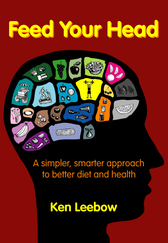 Buy the Book I'm a professional speaker. If your organization would like someone to speak on the subject of diet, health, and lifestyle issues, please contact me.
Categories
All
Archives
December 2020
|
 RSS Feed